
Creating Your Home Sanctuary: Late Summer Refresh

The Philosophy of Home as Sanctuary
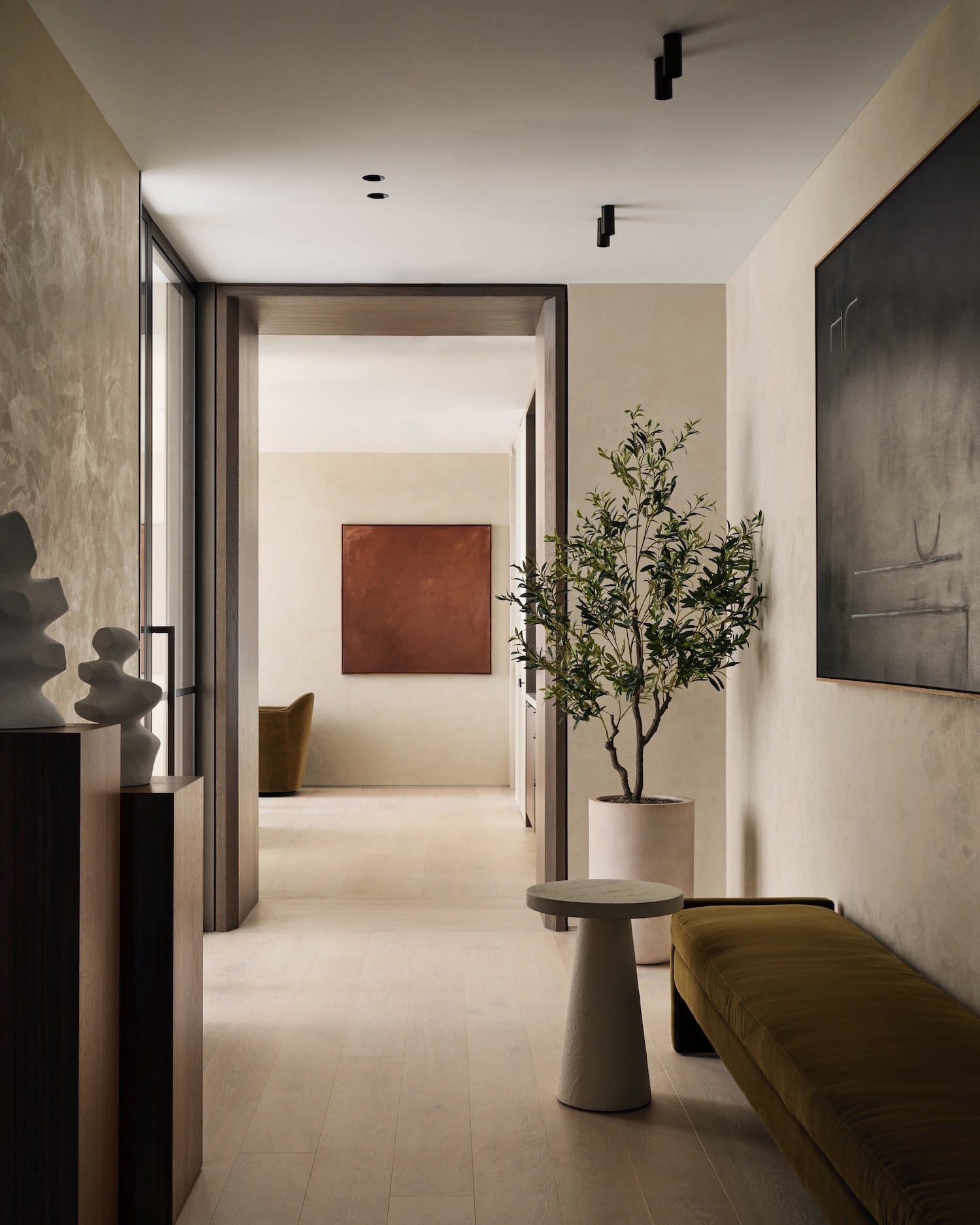
In our increasingly connected and often chaotic world, the concept of home as sanctuary has evolved from luxury to necessity. Your home is more than a place to sleep and store belongings. It's the foundation for your wellbeing, creativity, and sense of self. As we move through late summer, with its unique combination of lingering warmth and hints of autumn's approach, there's no better time to thoughtfully refresh your living spaces to better support your daily life and long-term flourishing.
The idea of sanctuary implies more than mere comfort or aesthetic appeal. A true sanctuary provides refuge from external pressures, supports your physical and emotional needs, and reflects your authentic self. Creating such a space requires intentionality, but it doesn't demand perfection or significant financial investment. Instead, it calls for understanding how your environment affects your wellbeing and making thoughtful adjustments that align your physical space with your values and aspirations.
Late summer offers a particularly opportune moment for this kind of home refresh. The season's natural transition energy supports change and renewal, while the still-pleasant weather makes it comfortable to open windows, rearrange furniture, and tackle projects that might feel overwhelming during extreme temperatures. This timing also allows you to prepare your space for the more indoor-focused months ahead, ensuring your home can truly serve as a sanctuary during the darker, cooler seasons.
Understanding the Psychology of Space
Before diving into specific strategies for refreshing your home, it's essential to understand how physical environments affect our psychological and emotional states. Environmental psychology research consistently demonstrates that our surroundings significantly influence our mood, productivity, stress levels, and overall wellbeing. This isn't merely about aesthetics, though beauty certainly matters, but about creating environments that support human flourishing at the most fundamental level.
The Neuroscience of Home
Our brains are constantly processing environmental information, much of it below the threshold of conscious awareness. The quality of light in a room affects our circadian rhythms and energy levels. The presence or absence of natural elements influences our stress response. The organisation and cleanliness of our spaces impact our ability to focus and feel calm. Understanding these connections allows us to make informed decisions about our living environments.
Research by Dr. Sally Augustin and other environmental psychologists reveals that certain environmental factors consistently promote wellbeing across different individuals and cultures. Natural light, views of nature, appropriate levels of stimulation, and spaces that allow for both social interaction and privacy all contribute to psychological comfort and health. These findings provide a scientific foundation for creating truly supportive living environments.
The Concept of Restorative Environments
Psychologists Rachel and Stephen Kaplan developed Attention Restoration Theory, which identifies the characteristics that make environments psychologically restorative. These include being away from everyday concerns, having a sense of extent or scope, being compatible with our inclinations and purposes, and offering soft fascination. Gentle stimulation that allows the mind to rest while remaining engaged.
Your home can incorporate these restorative qualities through thoughtful design choices. A reading corner with a view of trees provides "soft fascination." A bedroom that feels separate from work concerns offers "being away." Spaces that accommodate your natural rhythms and preferences demonstrate "compatibility." Understanding these principles helps guide decisions about how to arrange and refresh your living spaces.
The Art of Lighting: Foundation of Sanctuary
Perhaps no single element affects the atmosphere of your home more profoundly than lighting. Yet lighting is often treated as an afterthought, with many homes relying primarily on overhead fixtures that provide adequate illumination but little in the way of ambiance or psychological comfort. Creating a true sanctuary requires approaching lighting as a design element that can transform both the appearance and feeling of your spaces.
Understanding Natural Light Patterns
Begin your lighting assessment by observing how natural light moves through your home throughout the day and across seasons. Late summer provides an excellent opportunity for this observation, as the angle of sunlight is beginning to change, offering a preview of autumn and winter light patterns. Notice which rooms receive morning light, which are brightest at midday, and which capture the golden light of late afternoon.
Work with these natural patterns rather than against them. Rooms that receive strong morning light might serve well as breakfast areas or home offices, supporting your natural circadian rhythms. Spaces that glow in late afternoon light could become reading areas or places for evening relaxation. Understanding your home's natural light personality allows you to make the most of what you have while identifying areas that might benefit from additional artificial lighting.
Layering Artificial Light
Effective lighting design relies on layering different types of light to create depth, flexibility, and atmosphere. This approach moves beyond the single overhead fixture to incorporate ambient lighting (general illumination), task lighting (focused light for specific activities), and accent lighting (decorative or highlighting elements).
Ambient lighting provides the foundation for any room's lighting scheme. This might come from ceiling fixtures, but it's often more effective when provided by multiple sources at different heights. For example, table lamps, floor lamps, and wall sconces that create pools of light throughout the space. This approach feels more natural and comfortable than the harsh, even illumination of overhead lighting alone.
Task lighting serves specific functions such as, reading, cooking, working at a desk. These lights should be bright enough for their intended purpose but positioned to avoid glare or harsh shadows. A well-positioned reading lamp, under-cabinet kitchen lighting, or a desk lamp with adjustable positioning can dramatically improve both the functionality and comfort of your spaces.
Accent lighting adds drama and visual interest while highlighting architectural features, artwork, or decorative objects. This might include picture lights, uplighting that washes walls with soft light, or candles that provide flickering warmth and intimacy.
The Psychology of Warm vs. Cool Light
The colour temperature of light significantly affects mood and energy levels. Cool, blue-toned light (similar to daylight) promotes alertness and focus, making it appropriate for work areas and morning routines. Warm, yellow-toned light (similar to candlelight or sunset) encourages relaxation and intimacy, making it ideal for evening activities and spaces intended for rest.
Many modern LED bulbs allow you to adjust colour temperature throughout the day, supporting your natural circadian rhythms. Consider installing smart bulbs in key areas that can automatically shift from cooler morning light to warmer evening tones. This technology allows your lighting to support your body's natural patterns while providing the flexibility to adjust for different activities and moods.
Textiles as Emotional Architecture
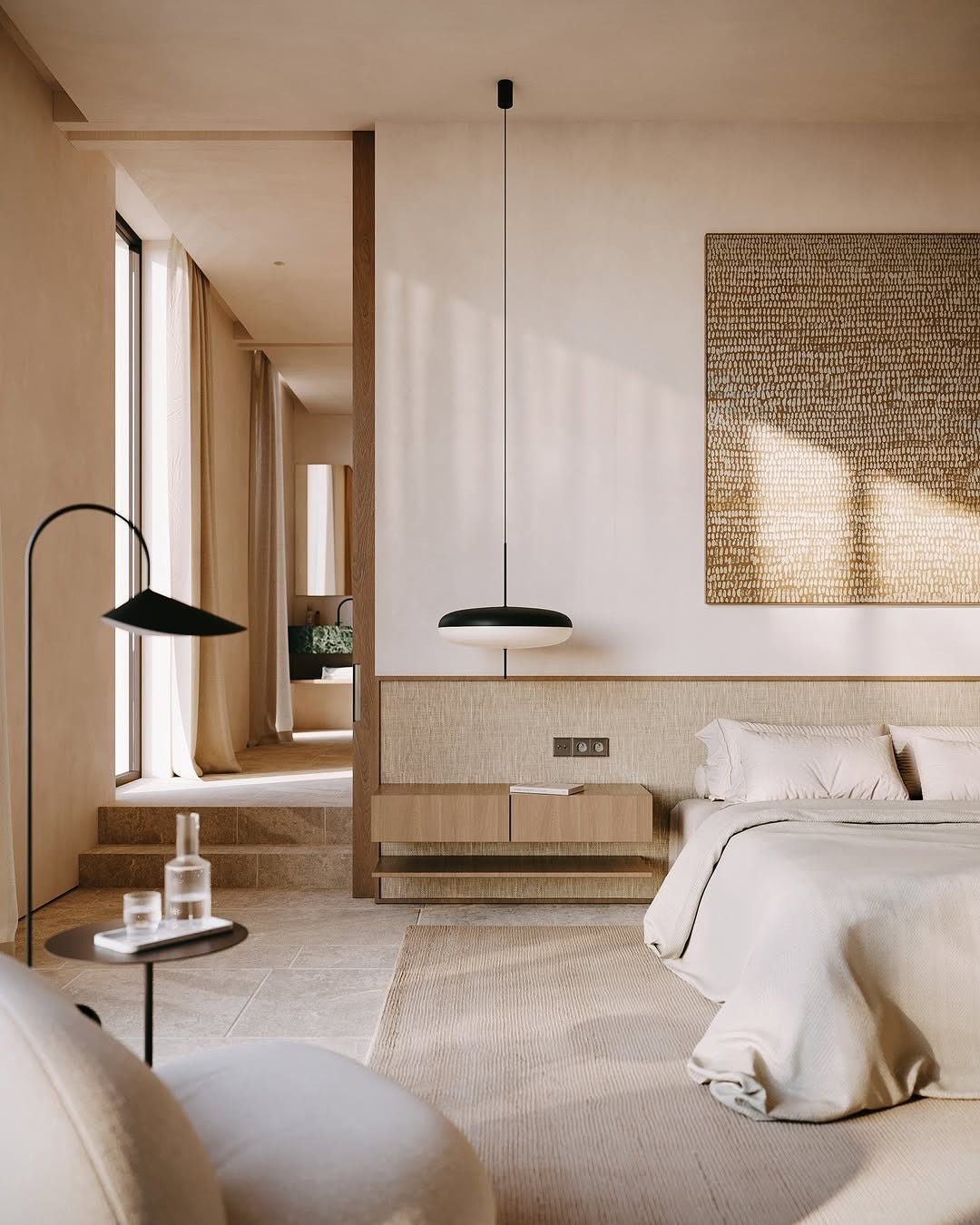
Textiles function as the emotional architecture of your home, providing comfort, warmth, and sensory richness that hard surfaces cannot offer. They also represent one of the most accessible ways to refresh your space, as textiles can be changed seasonally or as your preferences evolve without requiring major renovation or significant expense.
The Sensory Impact of Fabrics
Different fabrics engage our senses in distinct ways, affecting how we feel in a space. Smooth, cool fabrics like linen and cotton feel crisp and fresh, appropriate for summer or spaces where you want to feel alert and energised. Soft, warm fabrics like wool, cashmere, and velvet feel comforting and luxurious, perfect for creating cozy retreats and relaxation areas.
Consider the tactile experience of your textiles as much as their visual impact. A throw that feels wonderful against your skin invites use and creates positive associations with your space. Cushions that provide the right balance of support and softness make seating areas more inviting. Bedding that feels luxurious against your skin can transform your relationship with sleep and rest.
Colour Psychology in Textile Choices
Colours affect our psychological state in measurable ways, and textiles provide an excellent opportunity to incorporate colour psychology into your home design. Blues and greens generally promote calm and relaxation, making them excellent choices for bedrooms and meditation spaces. Warm colours like oranges and reds can energise and stimulate, appropriate for social areas and spaces where you want to feel active and engaged.
Neutral colours, whites, greys, beiges, and browns, provide a calming foundation that allows other elements to shine while creating a sense of sophistication and timelessness. These colours also offer flexibility, as they work well with changing accent colours and seasonal decorations.
Layering Textures for Visual Interest
Just as lighting benefits from layering, textiles create more visual interest and comfort when combined thoughtfully. Mix smooth and textured fabrics, shiny and matte finishes, and different weights and weaves to create depth and richness. A sofa might feature smooth leather or linen upholstery, a nubby wool throw, smooth silk cushions, and a soft cashmere pillow, creating a rich tapestry of textures that invites touch and provides visual complexity.
Consider the scale of patterns when layering textiles. Large-scale patterns can anchor a space and provide drama, while small-scale patterns add detail and interest. Solid colours provide rest for the eye and allow patterned pieces to shine. The key is achieving balance, enough variety to create interest without overwhelming the space or creating visual chaos.
Creating Zones for Different Activities
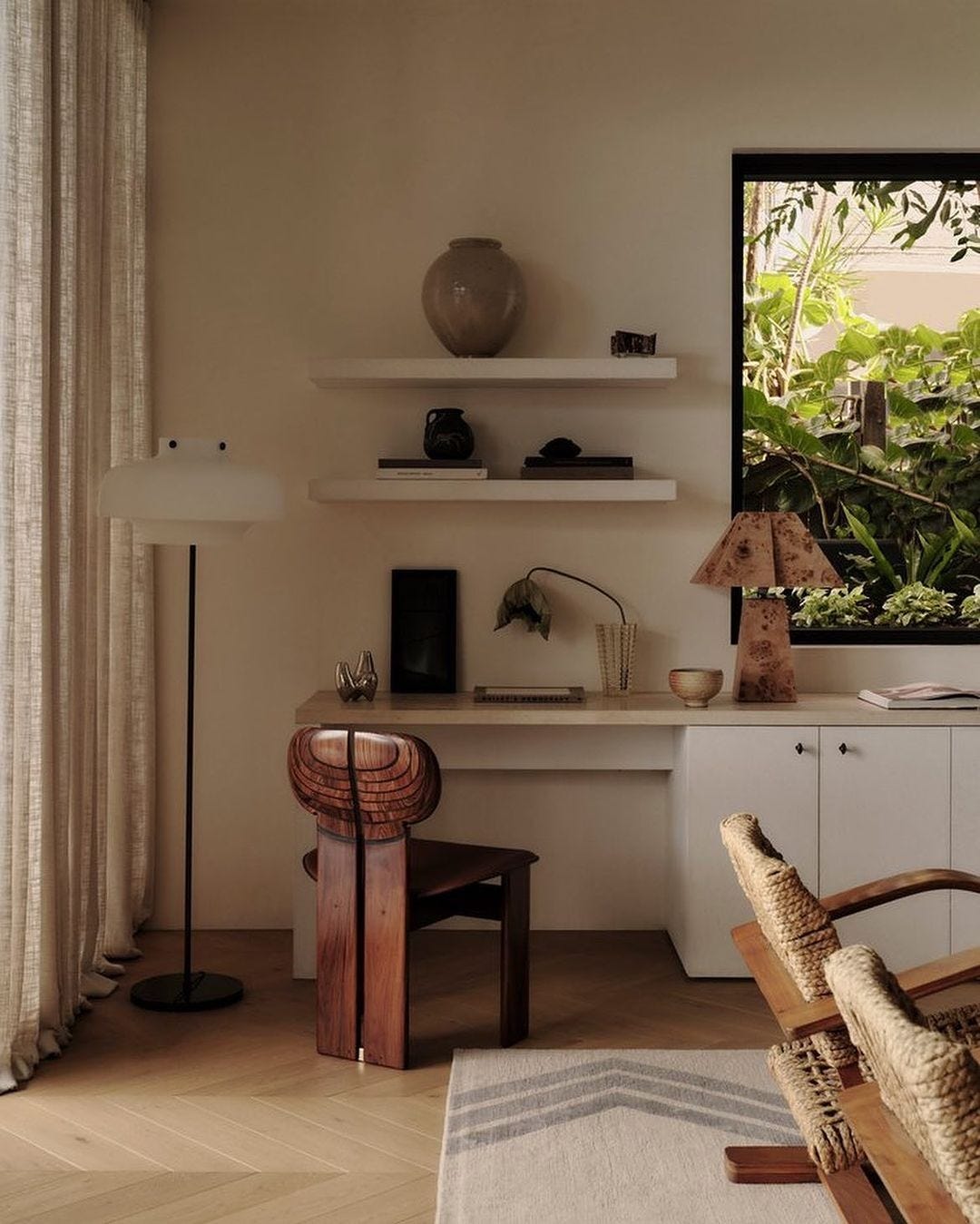
A well-designed sanctuary accommodates the full range of human activities and moods. This doesn't require a large home or separate rooms for each function. Instead, it involves creating distinct zones within your available space that support different types of activities and emotional states.
The Rest and Restoration Zone
Every home needs spaces dedicated to rest and restoration. The bedroom is the obvious candidate, but consider how you can optimise this space for truly restorative sleep. Remove electronic devices, invest in blackout curtains or shades, and ensure the room temperature can be kept cool. Choose bedding that feels luxurious and supportive, and consider the psychological impact of your bedroom's colour scheme and decor.
Beyond the bedroom, create additional spaces for rest and contemplation. This might be a comfortable chair by a window, a meditation corner with cushions and soft lighting, or a reading nook with good light and a side table for tea or coffee. These spaces don't need to be large—even a well-appointed corner can provide a refuge for quiet moments.
The Productivity and Focus Zone
Whether you work from home or simply need space for personal projects, creating an environment that supports focus and productivity is essential. This zone should minimise distractions while providing everything you need to work effectively. Good lighting, comfortable seating, adequate storage, and a clear work surface form the foundation of an effective workspace.
Consider the psychological boundaries of your work zone, especially if you work from home. Physical separation helps maintain work-life balance and allows you to mentally transition between different modes of being. This might mean a separate room, a designated corner of a room, or even a specific chair that you use only for work activities.
The Social and Connection Zone
Humans are social beings, and our homes should support connection with others as well as solitude. Create spaces that encourage conversation and shared activities. This might involve arranging seating to facilitate conversation rather than focusing solely on television viewing, providing surfaces for shared meals or games, and ensuring adequate lighting for social activities.
Consider how your social spaces feel to guests as well as to you. Are there places for people to set down drinks or personal items? Is the seating comfortable for extended conversation? Does the lighting create a welcoming atmosphere? Small adjustments can dramatically improve how your home functions for social connection.
The Role of Nature in Home Sanctuary
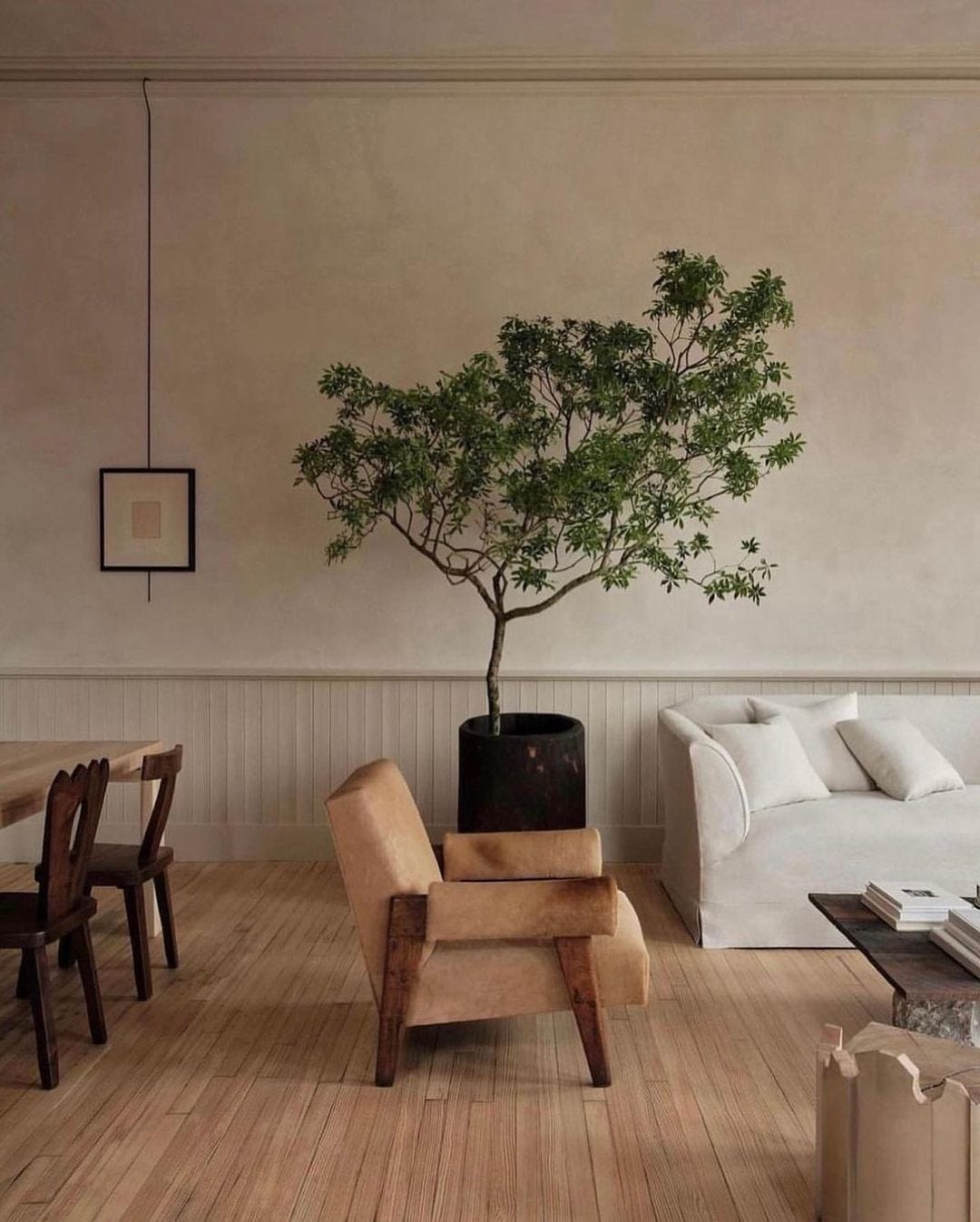
Incorporating natural elements into your home design isn't just aesthetically pleasing. It's psychologically beneficial. Research consistently shows that exposure to nature, even in the form of houseplants or nature imagery, reduces stress, improves air quality, and enhances overall wellbeing.
Bringing Plants Indoors
Houseplants provide multiple benefits beyond their visual appeal. They improve air quality by filtering toxins and producing oxygen. They provide a connection to natural cycles and growth. They offer opportunities for nurturing and care that can be psychologically satisfying. The presence of plants also creates a sense of life and vitality that purely decorative objects cannot match.
Choose plants that match your lifestyle and experience level. If you're new to plant care, start with hardy varieties like pathos, snake plants, or ZZ plants that tolerate neglect and varying light conditions. As you gain confidence and experience, you can add more challenging varieties that provide greater visual impact or specific benefits.
Consider the placement of plants carefully. They should receive appropriate light for their needs while contributing to the overall design of your space. Large plants can serve as living sculptures, while smaller plants can add life to shelves, desks, and side tables.
Natural Materials and Textures
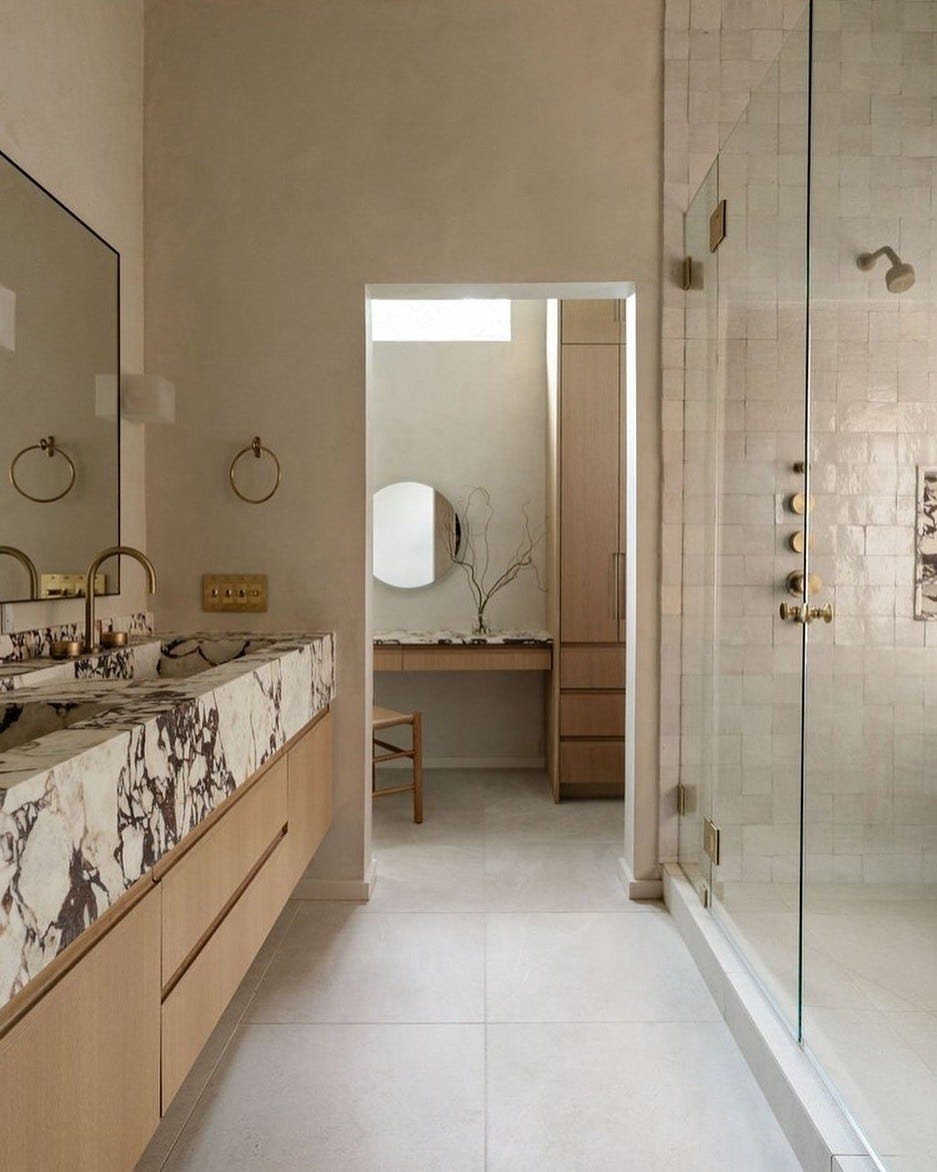
Incorporate natural materials throughout your home to create a connection with the natural world. Wood, stone, bamboo, jute, and other natural materials provide textural interest while creating a sense of groundedness and authenticity. These materials often age beautifully, developing character and patina over time.
Natural materials also tend to be more sustainable than synthetic alternatives, aligning your home design choices with environmental values. Consider the lifecycle of materials when making purchasing decisions, choosing options that will last well and can be recycled or composted at the end of their useful life.
Views and Natural Light
Maximise your home's connection to the outdoors through thoughtful window treatments and furniture placement. Avoid blocking natural light or views with heavy curtains or poorly positioned furniture. Instead, choose window treatments that provide privacy when needed while allowing maximum light and visual connection to the outdoors during the day.
If your views are less than inspiring, consider how you can create visual interest on windowsills or just outside windows. Window boxes, small gardens, or even strategically placed outdoor furniture can create more appealing views while maintaining your connection to the outdoors.
Decluttering as Spiritual Practice
Creating a sanctuary often requires removing excess as much as adding new elements. Clutter competes for our attention, creates visual chaos, and can contribute to feelings of overwhelm and stress. Approaching decluttering as a spiritual practice rather than a chore can transform this necessary task into an opportunity for reflection and intentional living.
The Psychology of Possessions
Our relationships with our possessions are complex and often emotional. Objects can represent memories, aspirations, security, or identity. Understanding these psychological connections helps explain why decluttering can feel difficult and why it's important to approach the process with compassion for yourself.
Consider what your possessions represent to you. Which items bring genuine joy or serve important functions? Which items you keep out of guilt, obligation, or fear? Which items represent who you used to be rather than who you are now? This reflection helps guide decisions about what to keep, donate, or discard.
Practical Decluttering Strategies
Effective decluttering requires both practical strategies and emotional awareness. Start with areas that feel less emotionally charged. Perhaps a linen closet or kitchen cabinets before tackling spaces filled with sentimental items. This builds confidence and momentum for more challenging areas.
Use the "one-year rule" for items you're unsure about: if you haven't used something in a year, you probably don't need it. For sentimental items, consider whether you're keeping the object itself or the memory it represents. Sometimes photographing an item allows you to preserve the memory while releasing the physical object.
Create systems for managing the flow of new items into your home. This might mean implementing a "one in, one out" policy for clothing or books, or establishing regular decluttering sessions to prevent accumulation from becoming overwhelming.
Seasonal Refresh Strategies
Late summer provides an ideal opportunity to refresh your home in preparation for the more indoor-focused months ahead. This refresh doesn't require major renovation or significant expense. Instead, it involves thoughtful adjustments that align your space with the changing season and your evolving needs.
Transitional Decorating
Begin incorporating elements that bridge summer and autumn without completely abandoning the lighter, brighter aesthetic of summer. This might mean adding deeper colours through textiles while maintaining lighter base colours, or introducing natural elements like branches or seasonal flowers that reflect the changing natural world.
Consider swapping out a few key accessories rather than redecorating entire rooms. New throw pillows, a seasonal wreath, or different artwork can refresh a space without requiring major changes. This approach allows you to experiment with new looks while maintaining the foundation of your design.
Preparing for Increased Indoor Time
As daylight hours begin to shorten and temperatures eventually cool, you'll likely spend more time indoors. Use late summer to ensure your indoor spaces can comfortably support this increased use. This might mean improving lighting in reading areas, creating more comfortable seating arrangements, or organising spaces to better support indoor hobbies and activities.
Consider how your daily routines might change as the seasons shift, and adjust your spaces accordingly. If you'll be cooking more elaborate meals, ensure your kitchen is well-organised and equipped. If you'll be spending more evenings at home, create inviting spaces for relaxation and entertainment.
The Ongoing Practice of Home as Sanctuary
Creating a home sanctuary is not a destination but an ongoing practice. Your needs, preferences, and circumstances will evolve, and your home should evolve with them. The key is developing the awareness and skills to recognise when adjustments are needed and the confidence to make changes that support your wellbeing.
Remember that sanctuary is deeply personal. What feels restorative and supportive to you might be different from what works for others. Trust your instincts and pay attention to how different environments affect your mood, energy, and overall sense of wellbeing. This self-awareness is the foundation for creating spaces that truly serve you.
As you implement these strategies for refreshing your home, be patient with the process. Meaningful change often happens gradually, through small adjustments and experiments rather than dramatic overhauls. Celebrate small improvements and remain open to continued evolution as your understanding of your needs and preferences deepens.
Your home sanctuary should reflect your authentic self while supporting your highest aspirations. It should provide refuge from external pressures while inspiring you to engage fully with life. By approaching home design as a practice of self-care and intentional living, you create not just a beautiful space but a foundation for a life well-lived.
Download our “Seasonal Lifestyle Edit Guide: Autumn Edition” for guidance on creating restorative spaces that support your wellbeing, including lighting design principles, and seasonal refresh strategies.